
In a quiet corner of England, a young girl named Effie Goldsmith began her education in 1903. Born at the turn of the century, Effie’s recollections paint a rich and detailed portrait of school life during the Edwardian era—a time of strict discipline, simple comforts, and enduring community spirit.
The School and Its People
Effie attended a small village school where Mr. Donson and Miss Shepherd taught in two separate rooms. Mrs. Donson managed a third room, which included a raised gallery accessed by wooden steps without a rail. The gallery, furnished with hard benches, was where the youngest children—referred to as “babies”—began their schooling. The school lacked modern amenities. There was no running water, only a sink in the passage with a bucket underneath for washing. Lighting was presumably oil-based, though Effie noted they rarely used it. Heating came from a single open fire, often monopolized by the teacher, leaving pupils cold during winter months.
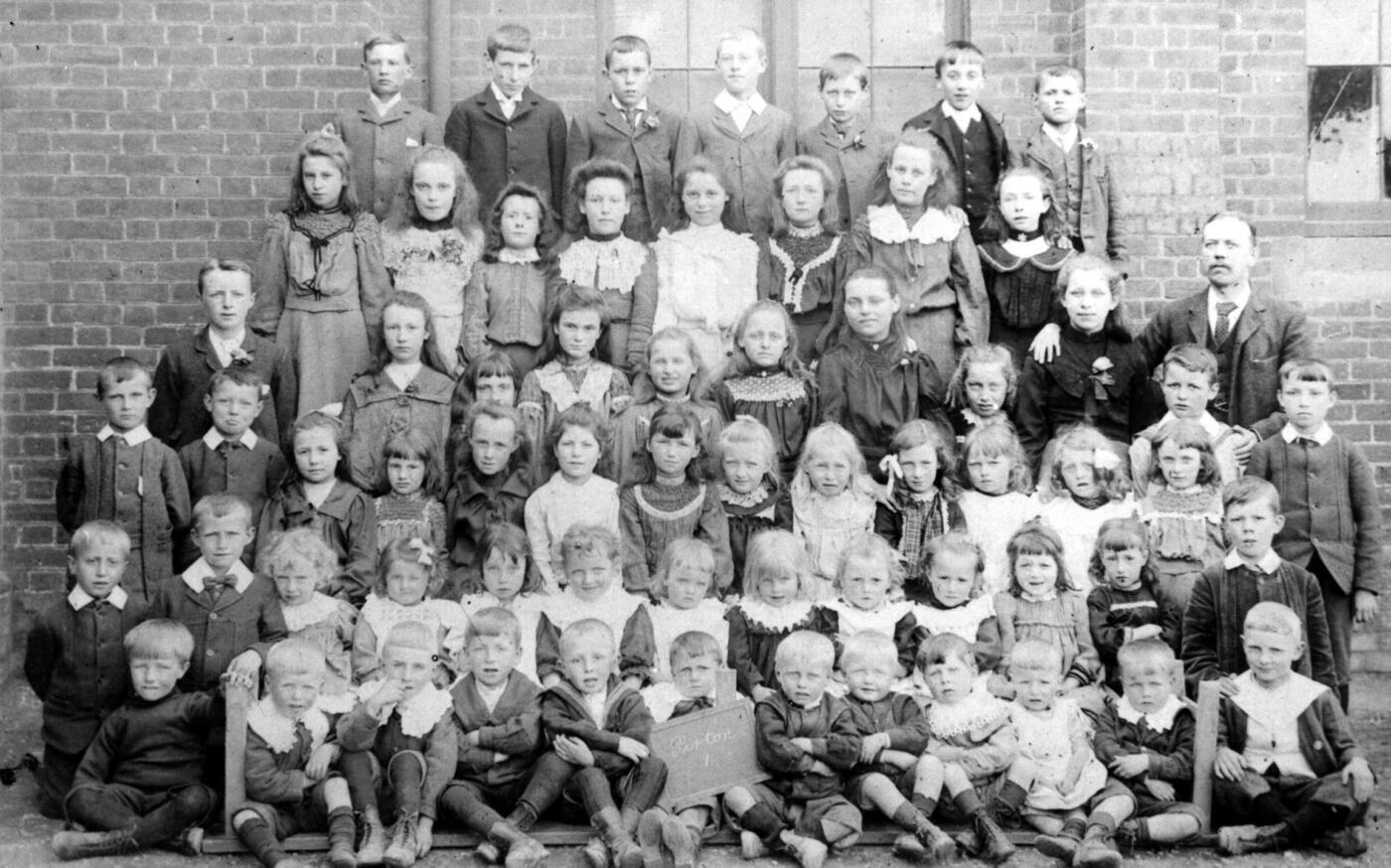
Mr Donson with the whole school
Daily Life and Discipline
School days ran from 9 a.m. to 12 p.m., then resumed from 2 p.m. to 4 p.m., with children returning home for lunch. Boys and girls entered through separate doors but shared playtimes in the morning and afternoon.
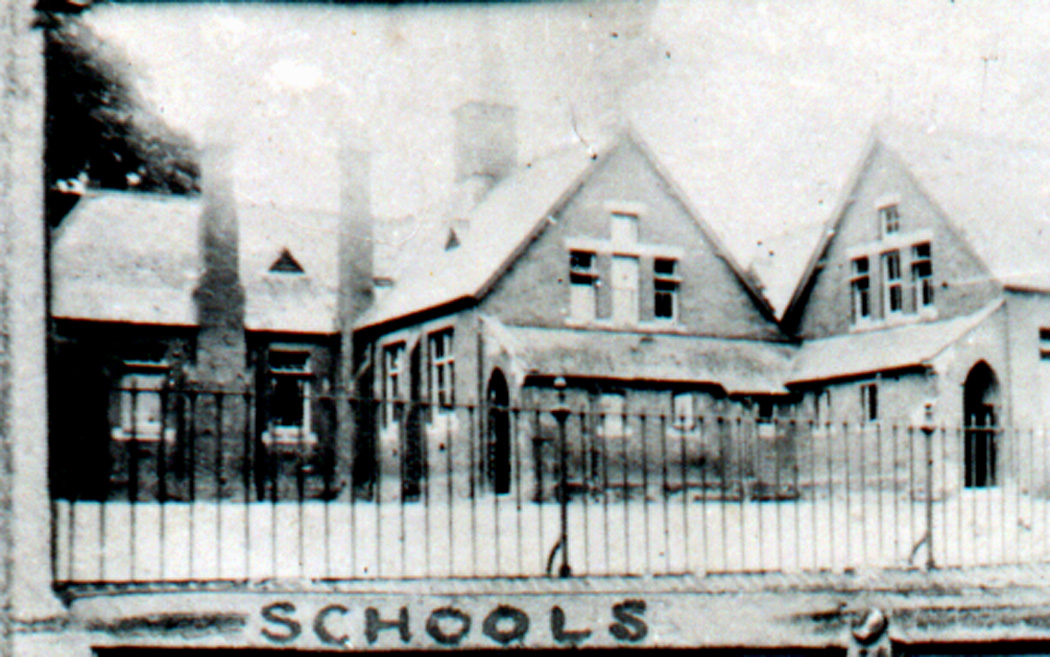
Pirton School showing the boys entrance and the girls and infants entrance
Discipline was strict. Mr. Donson would arrive, unlock his desk, and place his cane visibly on top—a clear signal of authority. Effie recalled that he didn’t hesitate to use it. Despite this, she described the school as “organised and happy,” and said she didn’t mind going.
Learning and Activities
Infants began with slates, progressing to pencils and eventually dip pens with ink wells. Desks were grouped in sixes, and students were expected to sit still on hard benches. Singing was a frequent activity, nearly as common as writing. Physical exercise, or “drill,” was conducted in the classroom or outside when weather permitted. On cold days, desks would be moved and children marched around the room to stay warm. Bible lessons started each day, and prize-giving ceremonies—often attended by local farmer and school governor Bob Davies—were held before the summer break, with awards for attendance.
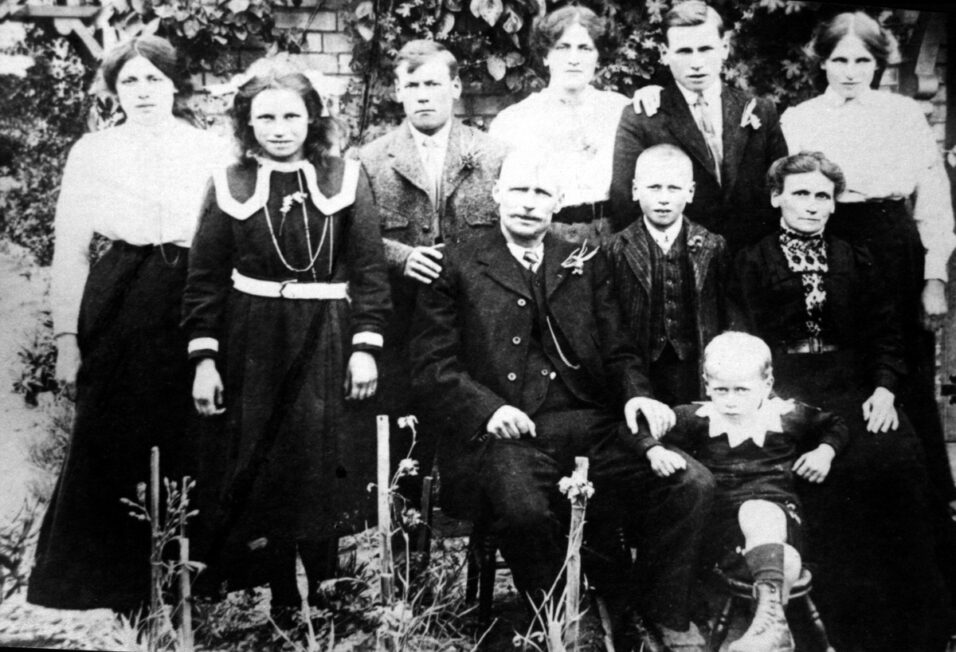
Effie was presented with a watch for very good attendance. She is pictured on the left with her family.
Sewing and Special Days
At age nine, Effie participated in sewing afternoons with Mrs. Donson, crafting large chemises and nightdresses. The work had to be meticulous; if not done properly, Mrs. Donson would unpick the stitches. Finished items were folded, placed in work bags, and stored in a box. Empire Day was a special occasion.
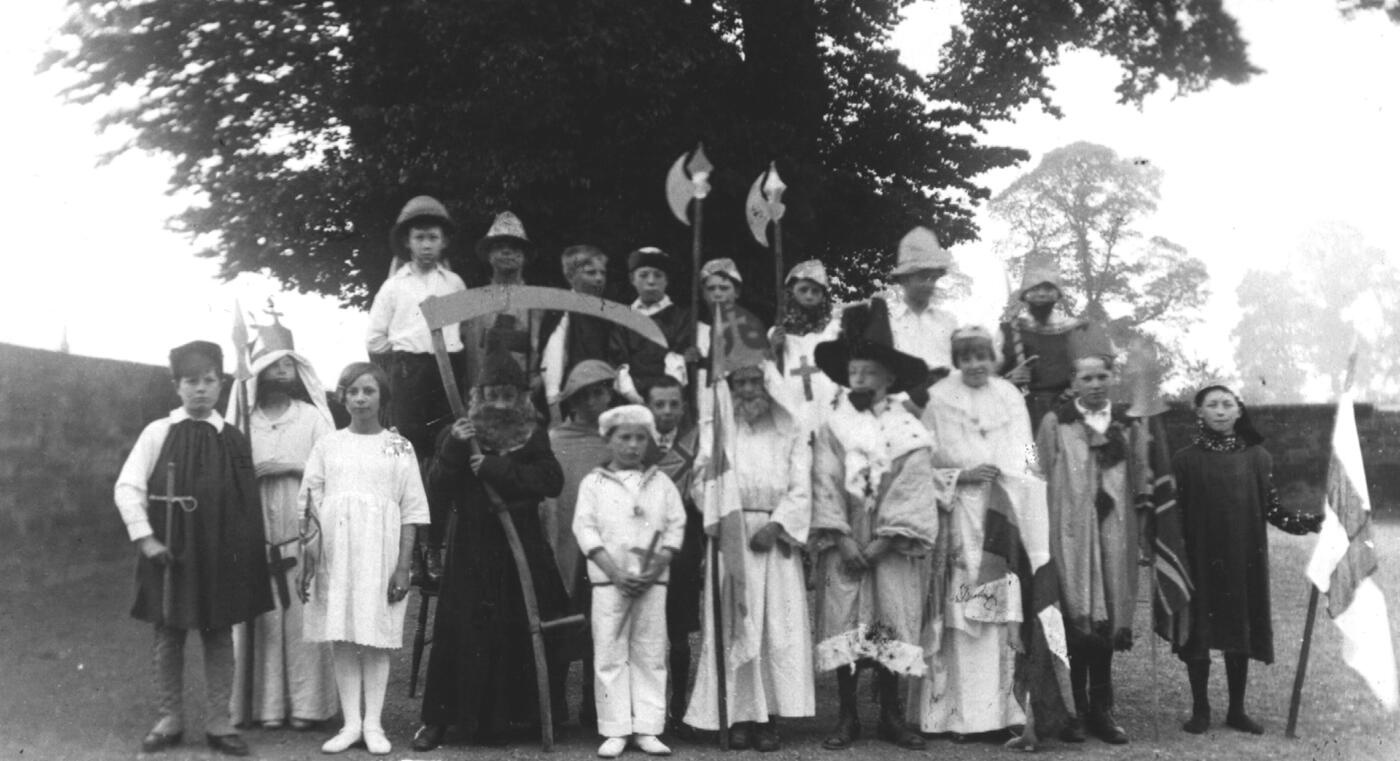
Empire Day celebrations
Students would go into “the Bury” to hear stories about the King and enjoy a half-day holiday, celebrating national pride and unity
Joan’s notes Interviewed 28/9/84
MrsEffie Stapleton, nee Goldsmith aged 84 Born 23.9.1900 Father : Frederick Goldsmith
Started in 1903, left in 1917.
Mr Donson had 2 rooms (1 teacher (Miss Shepherd) in other room)
Mrs Donson had room with gallery and small room.
She was by herself. Babies in small room.
Steps (wooden) (no rail) up to gallery.
Seats in gallery – benches
Lighting (presumably oil – but we never used lights)
No water, but sink in passage with bucket underneath for washing.
Cottage in playground lived in by pupil teachers later cookery lessons
Home for dinner 12 -2 (9-12, 2 – 4)
Mr Langmore was the Vicar. He visited, also Bob Davies, the farmer, from down the bottom.He was a Governor and always came to prize-giving (prizes for attendance)
Mr Donson went straight to his desk when he came in, turned the key, and took out his cane and laid it on the desk. “ “ Didn’t hesitate to use it. Both very strict, but school was organised and happy – she didn’t mind going
Remembers at 9, one or two sewing afternoons with Mrs D – big chemises or nightdresses, “all those long hems and it had to be done properly or she unpicked it.”
Folded, put into work bags and put away in box.
Desks – six joined together.
Slates as infants, then pencil, then dip ink-wells.
You had to sit still, the benches were hard. Boys’ entrance and girls’ entrance, but mixed playtime a.m. and p.m. One open fire – it was cold. Teacher stood in front of it, so you couldn’t even see it.In bad weather, no macs or umbrellas, any boots available. Coats on pegs in porch.
Did a lot of singing (nearly as much as writing!)
Drill in classroom (if fine outside sometimes). A desk was pulled away from wall and we all marched round the room to keep warm.
Bible lesson first thing
Prize giving before summer break
On Empire Day, we went into the Bury – ?, stories about the King etc. Half day off.